Types of clothes for babies. For mothers in trouble
- lexielowe

- Aug 2, 2019
- 5 min read
Updated: Aug 3, 2019
I still remember some of my nightmares during pregnancy: I dreamed of mountains and mountains of baby clothes that I had to fold and classify by types, functions and seasons. Monkeys, bibs, scuba divers, leggings, skirts, cocks, frogs, bodys and wraps piled up before my eyes. When I thought I had mastered all that they grew back as if by magic to start over again. Has nothing similar ever happened to you? You may not have reached this extreme of maternity madness but surely at some point this wonderful universe of baby clothes got mad.
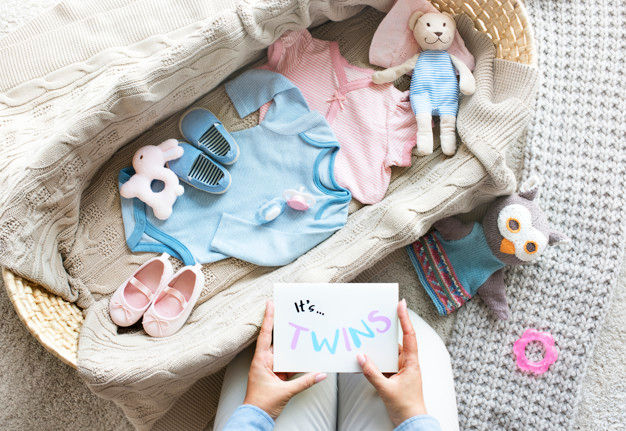
If you are already an experienced mother capable of mastering the art of children's fashion in its early stages, congratulations. But if you're still a little lost (I was a lot), and I've caught you diving through the networks in search of useful information, this article will interest you. Again images of those first moments come to my head, mobile in hand, unable to limit purchases to the essentials, while that little creature kicked under my belly or fed already tender in my lap.
Let's get to it but let's leave for another day the body's chapter, which deserves mention to part. A basic interior that, on the other hand, I hope you have already mastered. Let's focus on something a little more complex. Ok, we have overcome the diaper moment and we have also managed to dress our little one with a body appropriate to its stage and ambient temperature. Great we already have the essentials! But now, what do I put on the body to dress it?
The star garments that you will find for their first months and / or years of life have names as varied, animal or mocking as: wimp, gaiter, frog, diver, bib or jumpsuit. Who invented these names? It could not be a first-time mother of those who creep haggard but in love.

Full pieces or bodies: Between 6 and 8
These are t-shirts with brooches between the legs, they are also known as onesies. They can be short or long sleeve. They are the basis of any clothing for newborns, they must be 100% cotton.
The neck is generally wide and adjustable, some also have a clasp. Which makes it easy to put them from top to bottom. We say that you need between 6 and 8 because per day you will use at least two, they could be stained with “leaks” of the diaper, drool or milk.
If the baby is born in the summer months with this and pants will be enough for day to day. Instead, in winter it will be the inner layer for other clothes.

Booties or socks
You can have 3 or 4 booties or booties with brooches or soft ties, so that they do not fall with the movement or they themselves take them off. This will serve as an extra layer to protect the feet in the colder months. They will not need shoes as such, but these will help prevent cold in their limbs.
Instead, choose to buy at least 5 socks to keep your feet warm. Purchase of newborn so that they are tight, neither too loose nor tight. If the baby is born in winter, add 3 more hunter socks.

Pajamas, rompers or overalls: 3 or 4
They are a full-body model, covering arms and legs, some even to the feet. There are options to go out and others only to sleep that are pajamas for newborn babies, they are basic, they must be safe, light and warm
In summer it is preferable to use models of fine cotton fabric. And always opt for those that open from below, so when you have to change the diaper at night you will not have to undress it completely.
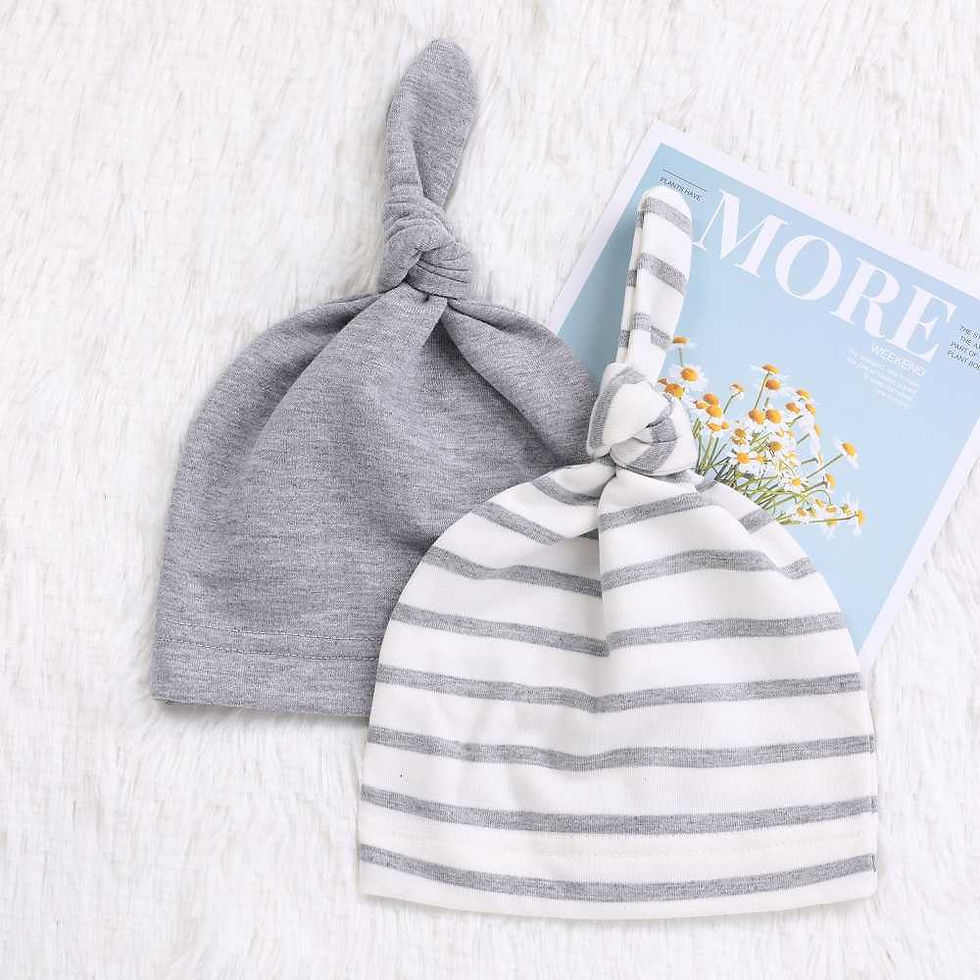
Beanies: 3 or 4
The newborn baby clothes include hats, are warm and will protect them both day and night the first days. They are basic because the little ones lose a lot of heat from the head, at least the first week their use is recommended.
Kimono type jackets or tops: 4 or 5
Among the baby's clothes you can include a kimono style top, it is ideal for your comfort and movement. It is a way to wrap the body and protect it from the cold, the buttons will not be on your belly but on one side, so your belly button will be protected.
If you do not like this model you can include jackets to use when leaving, take into account that perhaps in summer you do not need them.
Cocoliso: 3 or 4
This is a very traditional newborn baby clothes, it is ideal for use during the first weeks. It is long and open sleeves, it has a tape that closes the garment as if it were a sack. When complete, the baby will be warm.

Serve the first few weeks since the baby does not move so much. It covers the body from the neck to the toes. There are some who even have a fold in the sleeve that turns and serves to cover their hands and thus prevent scratching with their own nails.
Pants: 2
You can have two girl or boy pants with feet to match the bodies. It is recommended that they also be made of cotton.
Basic accessories newborn clothes
As we just mentioned, babies can scratch their nails. To protect them you can use mittens if it is cold or if you keep it in air conditioning.
Bibs or breasts will also be necessary, you put them on when they go to eat, and so if they get dirty you will not have to change all their clothes.
It is recommended that you have at least 3 blankets, of wool or cotton. You will need them in the stroller, in the car seat or in the crib. Always have one at home, one in the car and one in the bag.
Two sets of towels, preferably those with hood.
You can also add special clothes for photo shoots, events or family parties. For boys, a shirt with a bow tie is ideal, for girls dressed in leg warmers. And you can buy themed bibs.
If as a mom you are interested in fashion, this winter do not stop buying mou boots, they are ideal to protect your feet and very comfortable.
More of the basic wardrobe for newborn
Always prefer fabrics that allow breathing, such as cotton. Wool is a good option for cold climates. Make sure that the clothes have a good finish, that there are no loose threads or labels that can hurt the skin of the newborn or irritate it.
Look for baby clothes with snaps that close easily. Avoid closures because they can prick, especially if you are dressing the little one in a hurry. Prefer simple plastic brooches. If you are going to put on clothes with buttons, pull them before to check that they are well cooked, and that they do not feel loose, because if they could not be released and reach the baby's mouth or nose.
Remember to pre-wash your clothes before putting them on, so you will avoid any rash or irritation. Babies are very sensitive to any product on clothing, so it is best to wash it before use.
In general, it is recommended that you use a detergent that is not so strong, odorless, that you can use for the whole family's clothes. And, prefer not to use fabric softener.

Comments